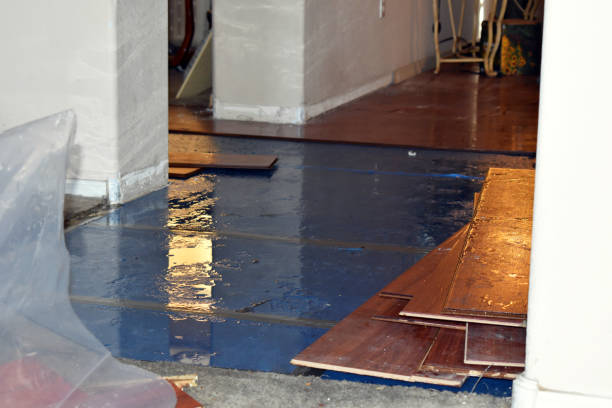
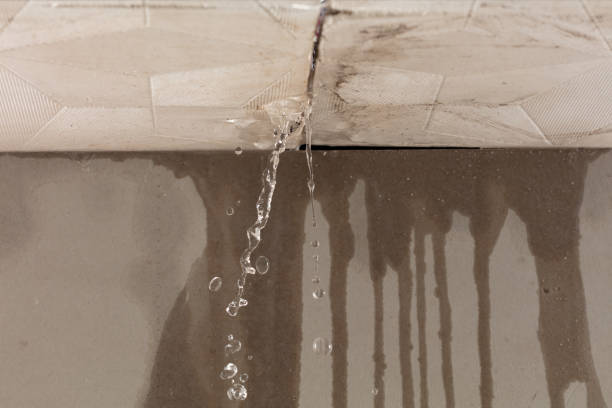
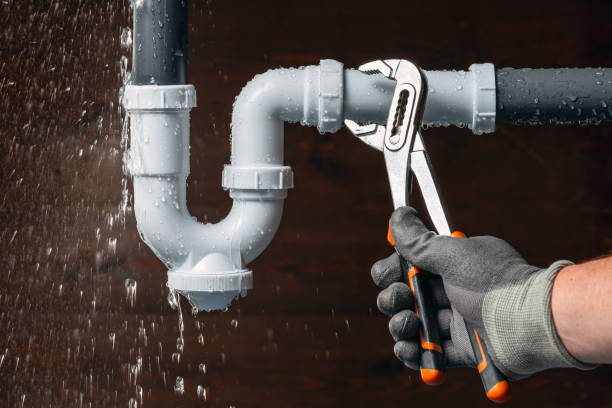
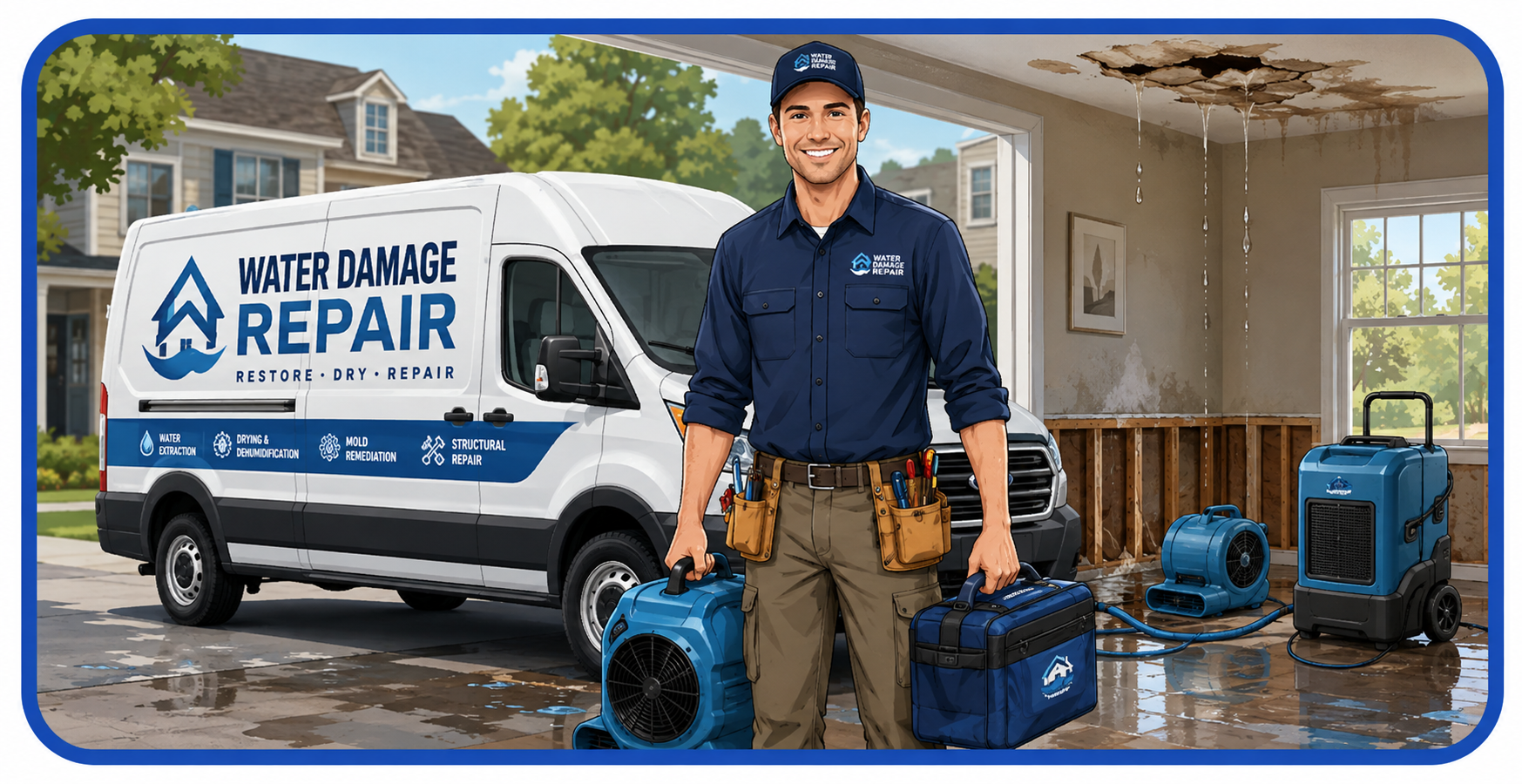
A structure that looks dry on the surface can still hold dangerous moisture inside walls and subfloor. Our Structural Drying And Dehumidification process tests what you can't see, not just what you can.
Call +1-844-833-1325 Now
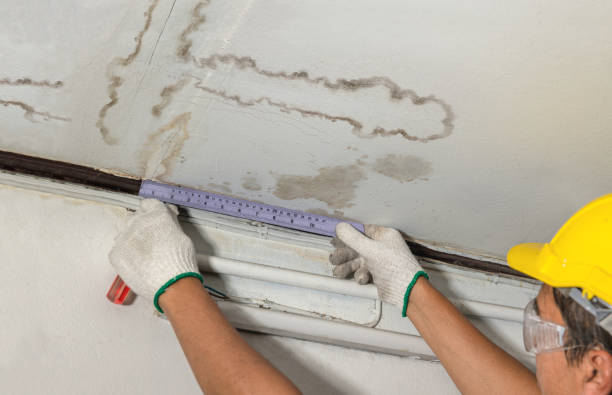
A moisture meter reading is compared against a dry reference point in the same structure, not a fixed number, since normal moisture content varies by material and by region.
None of this is unique to a big loss either — the same standard applies whether it's a single-room structural drying and dehumidification call or a larger one.
We built this list around what typically goes wrong when structural drying and dehumidification gets handled by a generalist rather than a specialist.
Ask for credentials before the work starts, not after — a legitimate structural drying and dehumidification specialist will have them ready.

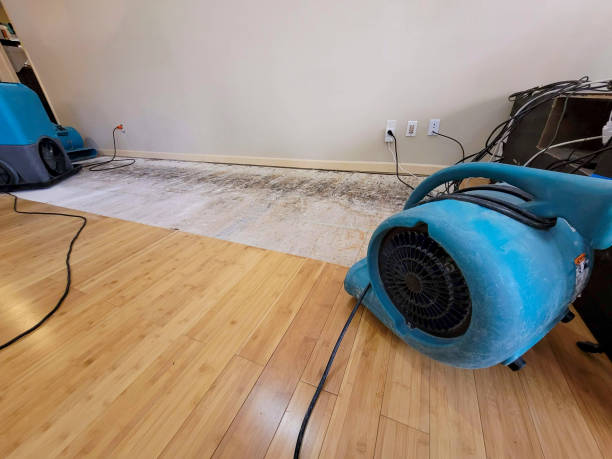
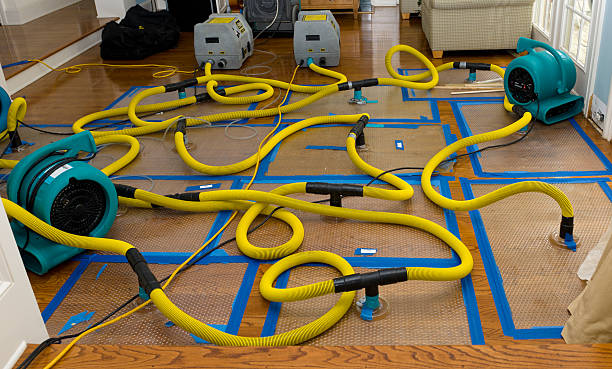
Air mover and dehumidifier placement follows actual humidity and temperature readings, not a default pattern.
Logs are shared throughout the job so you always know where the drying stands.
We match dehumidifier capacity to the actual square footage and moisture load, not a one-size unit.
A job doesn't close until moisture meter readings confirm a safe drying standard.
Every piece of structural drying and dehumidification work below follows the same documentation standard, whether it's a small job or a larger one.

This data drives equipment placement instead of guessing based on how a room looks.
Placement follows the specific geometry of the affected room, adjusted daily as conditions change.
We deploy LGR equipment specifically for jobs where humidity levels demand more aggressive extraction from the air.
Monitoring continues even after materials look dry, since surface dryness doesn't mean full drying.
We use thermal imaging both at assessment and again before sign-off to confirm nothing was missed.
Documentation includes daily readings, equipment placement, and the final verification numbers.
This is the same sequence every structural drying and dehumidification job follows, regardless of size.
You call +1-844-833-1325 and a live dispatcher takes the details of your Structural Drying And Dehumidification need, not a voicemail system.
Local staging is what makes rapid arrival possible, rather than a promise with nothing behind it.
The assessment sets the whole plan, so we don't rush it even when the visible damage looks minor.
A job isn't closed on a visual check — it's closed on a verified reading.


"We had a slow leak for weeks and thermal imaging found moisture in a spot we never would have checked."
Carlos V., Milwaukee"Our crawl space held humidity longer than expected and they adjusted the dehumidifier setup accordingly."
Wendy K., Milwaukee"Drying took a few extra days but they kept us updated with daily numbers instead of vague reassurance."
Marcus T., Milwaukee"Daily logs meant our facilities manager always had current numbers to report internally."
Angela F., MilwaukeeIf your question about structural drying and dehumidification isn't covered here, call +1-844-833-1325 and we'll walk you through it directly.

Aqua Guard Water Damage dispatches structural drying and dehumidification crews throughout Milwaukee and the surrounding zip codes, including 53203 53202 53207 53206 53205 53204 53209 53208 53233 53211 53218 53219 53214 53215 53216 53210 53212 53213 53295 53225 53224 53221 53220 53223 53222 53228 53201 53237 53259 53263 53274 53278 53288 53290 53293 53217 53226 53227.
Whether your address sits in the city core or a neighboring zip code, the same structural drying and dehumidification response standard applies.